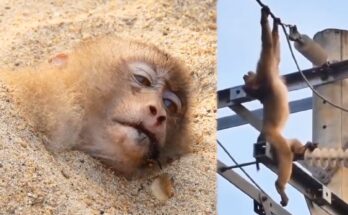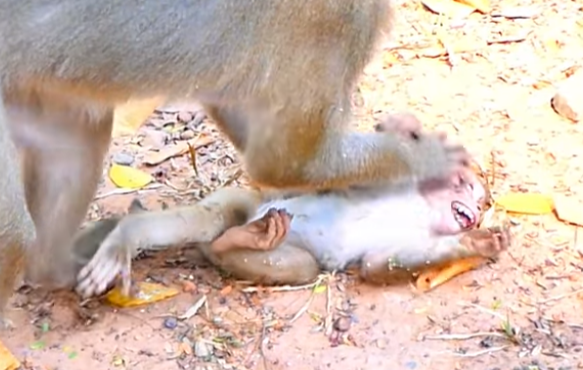
This video discusses a rare and deeply unsettling incident observed in the animal kingdom, focusing on complex behaviors that can sometimes be misunderstood when viewed without proper context. While emotional reactions are natural, it is important to approach such incidents through the lens of biology, environmental pressure, and animal psychology rather than shock alone.
Wild animals do not operate by human moral standards. Their actions are driven by survival instincts, hormonal changes, social stress, environmental scarcity, and disruptions within their habitat. In rare cases, extreme behaviors may occur, especially when animals are under intense stress due to overcrowding, lack of food, human interference, or illness.
This video aims to educate viewers about why such tragic incidents can happen, rather than sensationalizing them. Researchers and wildlife experts have documented similar behaviors across multiple species, often linked to factors such as dominance struggles, maternal stress, confusion caused by captivity, or threats within social hierarchies.
It is also important to note that these incidents are extremely uncommon and do not represent normal behavior for the species as a whole. Most animals show strong protective instincts toward their young. When something goes wrong, it often signals deeper environmental or ecological problems that need attention and understanding.
By spreading awareness, we hope to encourage compassion, conservation, and informed discussion rather than fear or judgment. Understanding animal behavior helps us protect wildlife more effectively and reminds us of the responsibility humans have in minimizing harm caused by habitat destruction and forced captivity.