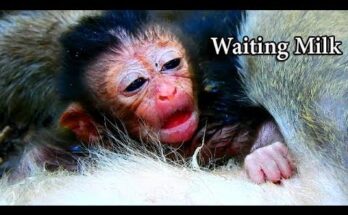
The saddest thing is not only what happened, but the silence that followed it. Everyone kept asking the same painful questions: what were you thinking, Lucies? Why did you harm Linux to this extent? The scene left a heavy weight in the air, one that no one could easily explain or forget. Just hours before, everything seemed normal. Linux had been nearby, calm and trusting, unaware that danger could come from someone so close.
Lucies’ actions shocked everyone who witnessed them. There was no clear warning, no obvious reason that made sense. Linux did not appear threatening or aggressive. Instead, the harm came suddenly, leaving Linux confused, hurt, and struggling. The pain was not only physical but emotional. Being harmed by someone familiar carries a deeper wound, one that breaks trust and leaves lasting fear.
Linux tried to move away, weak and shaken, eyes filled with confusion rather than anger. There was no understanding of why this was happening. That confusion made the moment even more heartbreaking. Harm without reason feels cruel, especially when it comes from someone who should have shown restraint or care. Linux’s small body showed the cost of that moment—trembling, exhausted, and vulnerable.
People watching could only wonder what drove Lucies to act that way. Was it fear? Stress? A misunderstanding? In nature, behavior is often shaped by pressure we cannot see—competition, exhaustion, illness, or instinctive responses triggered at the wrong time. Still, knowing there may be reasons does not erase the damage done. The question remains because the pain remains.
Lucies stood apart afterward, tense and distant. There was no clear sign of satisfaction or relief, only unease. That, too, was sad. Sometimes harm comes not from cruelty, but from confusion and internal struggle. When that happens, everyone loses—especially the weakest.
The aftermath was quiet and heavy. Linux needed time to recover, to feel safe again, to trust that the world would not suddenly turn against him. Others kept their distance, uncertain and cautious. The bond between them had been damaged, perhaps forever. Moments like this leave scars that cannot be easily seen.
This situation forces us to reflect on how quickly things can go wrong and how important awareness and restraint are, even in the wild. Harm has consequences beyond the moment it happens. It changes behavior, relationships, and the sense of safety for everyone involved.
The saddest part is that this did not need to happen. Linux did not deserve such pain. Whatever Lucies was thinking, whatever drove that action, it led to suffering that could not be undone. All that remains now is the hope that healing is possible, lessons are learned, and compassion returns—because without it, the damage spreads far beyond a single moment of harm.